For decades, PO boxes have been the go-to solution for people who want control over their mail and packages. They promise security, privacy, and predictability, especially for anyone who doesn’t fully trust doorstep delivery.
But as ecommerce has exploded and delivery behavior has evolved, the role of the PO box hasn’t kept up. Today, millions of people are paying hefty fees to have their packages delivered away from their homes, often without realizing how expensive, inconvenient, and outdated that model has become.
This article breaks down who uses PO boxes, how much they actually cost, and why off-site delivery may be the most expensive way to receive packages in 2026.
Who Uses PO Boxes (and Why)
PO boxes aren’t a niche product. They’re used by a wide range of people, including:
-
Apartment and condo dwellers with unreliable package rooms
-
Renters who experience theft or missed deliveries
-
Remote workers and small business owners receiving frequent shipments
-
Travelers and second-home owners who are often away
-
Privacy-conscious consumers who don’t want packages left unattended
At their core, PO boxes solve one problem: “I don’t trust my packages to sit at my doorstep.”
That concern is valid, but the solution hasn’t evolved.
The Real Cost of a PO Box
On paper, PO boxes can seem inexpensive. In practice, they add up quickly.
Typical PO Box Pricing (U.S.)
-
Small box: $10–$30 per month
-
Medium box: $20–$60 per month
-
Large box: $40–$100+ per month
That’s $120 to $1,200 per year, depending on size and location, before factoring in any hidden costs.
The Hidden Costs People Forget
-
Time spent driving to and from the post office
-
Fuel, parking, or transit costs
-
Limited access hours (especially on weekends)
-
Missed or delayed packages when boxes fill up
-
Incompatibility with many carriers (not all retailers ship to PO boxes)
And perhaps the biggest cost of all: inconvenience.
The Irony: Paying More to Keep Deliveries Off-Site
Here’s the paradox many consumers don’t realize:
People are paying a hefty fees to remove deliveries from their home when the problem was never the home itself.
The real issue isn’t where packages are delivered.
It’s what happens to them after they arrive.
PO boxes outsource the final step of delivery to a building across town. That means:
-
You still have to travel
-
You still manage timing
-
You still interrupt your day
In a world where nearly everything else comes directly to your door, PO boxes force you backward.
Why Home Delivery Failed and What’s Changed
Traditional home delivery wasn’t built for:
-
Multiple daily shipments
-
Expensive items
-
Returns flowing out as often as packages flow in
-
People who aren’t home during the day
As a result, consumers were pushed to off-site solutions like PO boxes, lockers, and pickup locations.
But the delivery landscape has changed.
Smart homes evolved. Doorbells got smarter. Locks got smarter.
The doorstep simply didn’t, until now.
A New Way to Think About Delivery
Instead of sending packages away from your home, more people are rethinking the equation:
-
What if deliveries stayed at your home, but were secured?
-
What if returns didn’t require a drive or a line?
-
What if the final step of delivery was actually designed for modern life?
This shift is about bringing control back to the doorstep, not abandoning it.
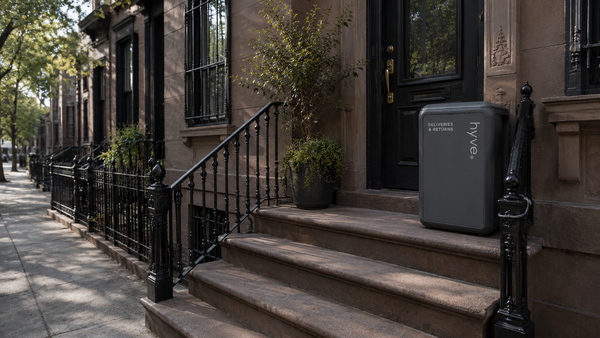
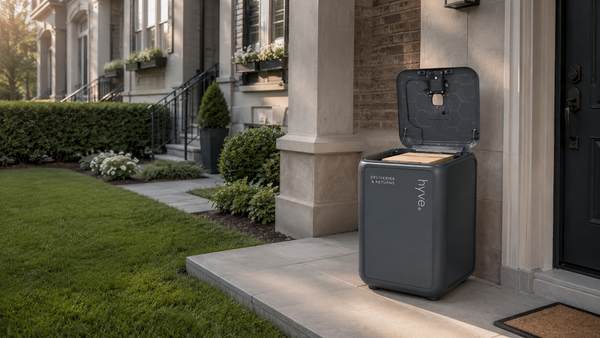
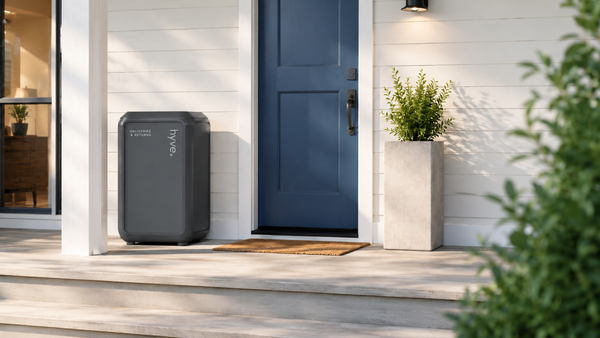
With the hyve smart package locker, packages are delivered directly to your home and securely stored until you are ready: no off-site trips, no failed deliveries due to off hour delivery attempts, no schedule disruption.
When you compare costs over time, many households find they’ve been paying more for inconvenience than they ever would for a permanent, at-home solution.

The Bigger Trend: Convenience Is Moving Back Home
PO boxes made sense in a different era: one with fewer packages, fewer carriers, and less flexibility.
Today’s reality is different:
-
More deliveries
-
More returns
-
Less time
-
Higher expectations
The future of delivery isn’t about driving somewhere else to get your stuff.
It’s about designing the home to receive it properly.
Final Thought
If you’re paying every month to pick up packages from somewhere else, it may be worth asking:
Why am I paying to move deliveries away from my home when the real solution is making home delivery work?
As ecommerce continues to grow, the smartest delivery solutions won’t live across town.
They’ll live right outside your door.